I first held our son Zamir when he was four years old. His new big sisters, Aliza and Hallel, and I traveled to his orphanage in Addis Ababa, Ethiopia, arriving during nap time. We watched through a window as a caregiver drew a child from a top bunk and brought him to us.
That evening at the boarding house, I kissed each child goodnight, sang the Shema prayer, and went to bed.

The next day we finalized the adoption in court, ran errands, and had fun. That night, exhausted, I got the kids into bed and started to leave. Zamir’s tiny hand gripped my arm. I kissed him again and tried to go, but he pulled me back.

Aliza said, “Mama, maybe he wants you to sing Shema.” I doubted that—but I had forgotten. So I sang: Shema Yisrael Adonai Eloheinu Adonai Echad. He smiled, lay down, and quickly fell asleep.

The Shema—sung at bedtime—has long anchored Jewish mothers and children in a rhythm that transcends circumstance. Did Zamir somehow sense that these words linked him to a family, a story, a people?

Rituals held our family, sometimes tenuously, when years later Zamir felt unreachable and we felt helpless. Even then, he looked in our eyes as we blessed him each Shabbat. Rituals didn’t fix anything, but they held us afloat, like a buoy when waters got rough. In hindsight, there are many things I wish I had done differently as his mom, but am so grateful we had culturally built-in ways to draw invisible lines of connection from, and place our story within, something much bigger than ourselves.
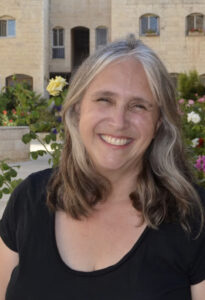
Susan Silverman was raised in a home that fostered children, and saw at an early age how profound the need for stability is in a child’s life. As an adult, Susan and her spouse built a family through both birth and adoption. After becoming a rabbi, she led initiatives rooted in dignity and community, including co-founding Miklat Israel, which mobilized thousands of households to protect asylum seekers.

Her lived experience and belief that children need belonging, not just safety, led her to write Casting Lots and create Second Nurture, which partners with congregations and civic groups to surround foster families with practical support, emotional care, and lasting community.

Susan’s work transforms care from an individual, often lonely and overwhelming act into a collective responsibility, ensuring that every child—and every caregiver—finds a place of belonging to strengthen and support them.

Fostered Not Forgotten. Adopted Not Alone.

HelpEveryChildBeSeen

Your Giving Tuesday gift helps place Connection Kits™ in schools so every child feels seen and supported.

Just $25 places a Connection Kit™ in a classroom. Your gift creates belonging where it’s needed most.

Give today and spread hope.

Will You Help us give kids what they need to thrive in school?

We’ve already made a BIG impact delivering 1,000 Connection Kits™ to schools. But right now, we’re just short of our goal to produce and deliver another 1,000 kits to schools across Illinois. 

We are a 501(c)(3) nonprofit (EIN: 99-1493489), and donations may be eligible for employer matching to amplify your impact.

Days :
Hours :
Minutes :
Seconds

— NEXT ONLINE COURSE STARTS ON Sep 24TH —

TBRI® Fall Virtual Online Training

ANY parents of kids and caregivers who’ve had trauma — take a FREE, VIRTUAL TBRI® training offered for the first time in the evenings (Tuesday from 5:30-7:00, Sept. 24th – Dec. 17th), with trained therapists from The Baby Fold in Illinois. A zoom link will be sent to registered attendees closer to class time along with manuals for each section.