Veronica’s feeding journey as told by Jill Rabin, a licensed speech-language pathologist with deep expertise in early development, attachment, and feeding/communication.
Sometimes joyful engagement with food is the priority in therapy versus oral intake. Veronica, age 20 months adjusted. She has struggled with self-limiting, vomiting and weight gain since she was a young baby. She is adopted and one of six children in a very loving and supportive family. Every time she has an illness, she has a feeding set back and often loses weight which has been a source of stress.

Due to her oral feeding struggles, she relies on a G-tube as her primary source of nutrition. Our focus in therapy has been on responsive feeding techniques and teaching the family how to interact around food to encourage Veronica’s engagement in eating without pressure.
We have been doing some of the following responsive feeding techniques to encourage engagement with food:
- Taking a highchair vacation
- Having picnic like meals on the floor and in mom’s lap
Offering foods in novel ways:
- Baby Margarita cup, off of teething toys, and from a silicone feeder
- Never asking Veronica to try something or to take a bite
- Modeling the foods we want her to eat without pressure
- Allowing her to explore foods with her hands
- Allowing her to spit out or remove non-preferred foods with her hands
Feeding difficulties and poor weight gain are very stressful for families. If we can focus on positive engagement with food and explaining that tube feedings are an eventual bridge to oral feedings, it takes a lot of the pressure off. Veronica’s parents and siblings are well-versed in how to model and engage with food without pressure and Veronica is already showing positive changes.
—Jill Rabin MS CCC-SLP/L IBCLC (learn more about Jill after Veronica’s Mom’s story.)
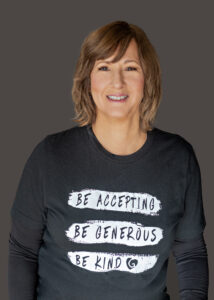 Jill Rabin is a pediatric speech pathologist and international board-certified lactation consultant who specializes in feeding. She frequently follows babies prenatally (If there is a prenatal diagnosis such as Down syndrome or cleft lip/palate) through age 3 years through early intervention. She has worked at three local hospitals in Chicago as both a speech pathologist and international board-certified lactation consultant.
Jill uses her feeding expertise to assist with complicated breastfeeding dyads. This may include extremely preterm infants, babies with Down syndrome, babies with oral structural issues like tethered oral tissues and/or cleft palate. She also guides families when their breastfeeding baby refuses to accept the bottle and teaches responsive feeding techniques to manage babies with feeding aversion. She educates families on safely transitioning to solids using a baby-led weaning and/or adapted baby-led weaning approach.
Learn more about about Jill’s work at: jillrabin.com